
Sellers who’ve never done this before have the same unspoken question about the cash for car process: once you contact a buyer, what actually happens next?
Without knowing the normal sequence, it’s easy to accept vague terms, get caught off guard by a changed offer at pickup, or miss a detail that costs time or money later. Knowing what’s supposed to happen at each stage is what lets you tell a straightforward transaction from one that’s cutting corners.
How does the cash-for-car process work? In short: you share vehicle details, receive an offer, accept it, arrange pickup, hand off the vehicle with some paperwork, get paid, and the vehicle gets towed or driven away. This guide walks through the cash for car process Calgary sellers actually go through, from the first call to pickup and payment, so you know what to expect at each stage.
What Is the Cash-for-Car Process?
At a high level, selling a car for cash follows a consistent shape: share your vehicle’s details, get an offer, accept it, schedule pickup, complete the handoff and paperwork, get paid, and have the vehicle collected. It’s one option among a few realistic ways how to sell a car in Calgary, alongside a private sale or dealer trade-in, and it shares a lot with how much your car is worth in Calgary generally, since the same condition and demand factors shape both the cash offer and a private asking price.
Anyone who wants to know how to sell a car for cash in Calgary usually starts with a call, an online form, or a quote request, where you provide basic vehicle information: year, make, model, condition, mileage, and whether it runs. Having this ready before you reach out speeds things up considerably: your vehicle’s identity, its current condition (including any damage or mechanical issues), where it’s located and how accessible it is, and whether it’s a financed vehicle still carrying a loan or lien.
| Step | What Happens | What You Should Do |
|---|---|---|
| 1. Get an offer | Buyer reviews year make model details and provides a quote | Share accurate, complete information |
| 2. Accept the offer | You confirm you want to proceed | Confirm pickup details and any remaining questions |
| 3. Schedule pickup | You and the buyer agree on timing and location | Confirm access, keys, and any logistics issues |
| 4. Buyer arrives | Vehicle is reviewed against the original description | Have the vehicle and documents ready |
| 5. Paperwork | Bill of sale and related documents are completed | Bring ID and relevant vehicle documents |
| 6. Payment | You receive payment for the vehicle | Confirm the payment method in advance |
| 7. Towing or collection | Vehicle is loaded and removed | Clear personal items and confirm the plate is off |
Step 1: How Do You Get a Cash Offer for Your Car?
An offer starts with the information you provide about your vehicle, and the more accurate that information is, the more reliable the resulting car quote tends to be. This cash buyer car process, sometimes called a cash car buying process, always begins the same way: you share your vehicle condition honestly, and the buyer works from there.
Several factors typically shape the cash offer for car pricing: the vehicle’s age, mileage, model, overall condition, any damage, and how complete it is. A buyer can’t give you a precise vehicle quote or free quote without knowing these details, which is why vague descriptions usually lead to vague, provisional quotes rather than firm ones. This is true across the whole cash for cars process, not just with one specific buyer.
Is the First Quote Always Final?
Not necessarily. Some buyers treat an initial quote as a firm offer once vehicle details are confirmed, while others may adjust it if an on-site look reveals the vehicle doesn’t match what was originally described. Policies vary enough between buyers that it’s worth asking directly whether your quote is confirmed or provisional before you count on the number.
Step 2: What Happens After You Accept the Offer?
Accepting an offer moves the transaction from “getting a quote” to actually arranging the handoff, and a few practical details typically get confirmed at this point.
The pickup address, whether the vehicle is currently drivable, how accessible it is, where the keys are, and any documents you’ll need on hand all tend to come up here. This is also the point where it’s worth mentioning anything unusual about the vehicle or its situation, a loan still owing, a missing key, a tight parking spot, so there are no surprises once pickup day arrives.
Step 3: How Do You Schedule the Vehicle Pickup?
Scheduling is a coordination step between you and the buyer, with availability on both sides shaping how quickly things actually come together.
What If the Car Isn't Easy to Reach?
Underground parking, narrow laneways, and street parking with restrictions can all complicate pickup, so mentioning access issues upfront gives the buyer a chance to plan for them rather than discovering them on arrival. A quick heads-up here usually saves a rescheduled visit later, especially if the buyer needs a larger tow truck or specific equipment that a standard pickup vehicle can’t manage in a tight space.
What If the Car Doesn't Run?
Selling a broken-down or non-running car for cash usually still works through this same pickup process, just with towing standing in for a driven handoff. The exact loading approach depends on the buyer’s equipment and the vehicle’s specific situation, so it’s worth confirming how they plan to move it before pickup day.
Step 4: What Happens When the Buyer Arrives?
At pickup, the buyer or their driver typically confirms the vehicle matches what was described before the transaction moves forward. This on-site inspection is where the vehicle handover actually happens, and it’s a normal part of most transactions rather than something to be nervous about. It’s a two-way check, too: Alberta’s own guidance for private vehicle transactions recommends confirming the other party’s identification and proof of ownership before completing a sale, which applies whether you’re the one buying or selling.
Is the Vehicle Inspected at Pickup?
Often, at least a basic look-over, though exact inspection practices vary by buyer, from a quick visual check to something more thorough involving a test start or a closer look at reported damage. This isn’t about catching you out. It’s how the buyer confirms the vehicle actually matches what was described over the phone or online, which protects both sides from a misunderstanding turning into a dispute at the door.
What If the Vehicle Differs From the Description?
This is where buyer policies diverge the most. Some buyers will revise the offer if the vehicle’s actual condition doesn’t match what was originally reported, particularly if damage or a mechanical issue wasn’t disclosed. Being upfront about the vehicle’s real condition when you first request a quote is the best way to avoid an uncomfortable renegotiation at the door.
Step 5: What Paperwork Is Completed at Pickup?
A signed Alberta bill of sale is the core document at this stage, recording the transaction and confirming the vehicle has changed hands along with your vehicle keys.
What Documents Might You Need?
This is essentially what documents do I need to sell my car in Alberta, answered at the transaction level: ownership or registration information, valid identification if the buyer requires it, your keys, and any other Alberta documents, plates, and paperwork the transaction calls for. Having these gathered before the buyer arrives, rather than searching for them at the door, is what keeps the paperwork step quick instead of turning into its own delay.
What Happens to the Licence Plate?
Alberta plates stay with you rather than transferring with the vehicle, so removing yours before handoff is part of completing the sale properly. Once it’s off, you have two options: transfer it to another vehicle you own, or return it to a registry agent to cancel the registration. Leaving this step until later just means an extra errand once the vehicle is already gone.
Step 6: When Do You Get Paid for the Car?
Payment at pickup is the norm across most of the industry, though exact timing and method depend entirely on the buyer you’re working with. Cash at pickup remains common, but it isn’t the only method in use.
Is Payment Made at Pickup?
For many cash buyers, yes, payment and handoff happen at the same time, which is part of what makes this route feel faster than a private sale. Some buyers may structure this differently, splitting the transaction across a deposit and a final payment, or requiring a short processing window for certain payment methods. Confirming the timing in advance is worth doing rather than assuming it works the same way everywhere.
What Payment Method Should You Expect?
Cash, e-transfer, and check are all methods used across the industry, but no single one is universal. Confirming which method a specific buyer uses, and whether that works for you, is a reasonable thing to ask before pickup day rather than finding out on arrival.
Step 7: How Is the Car Towed or Collected?
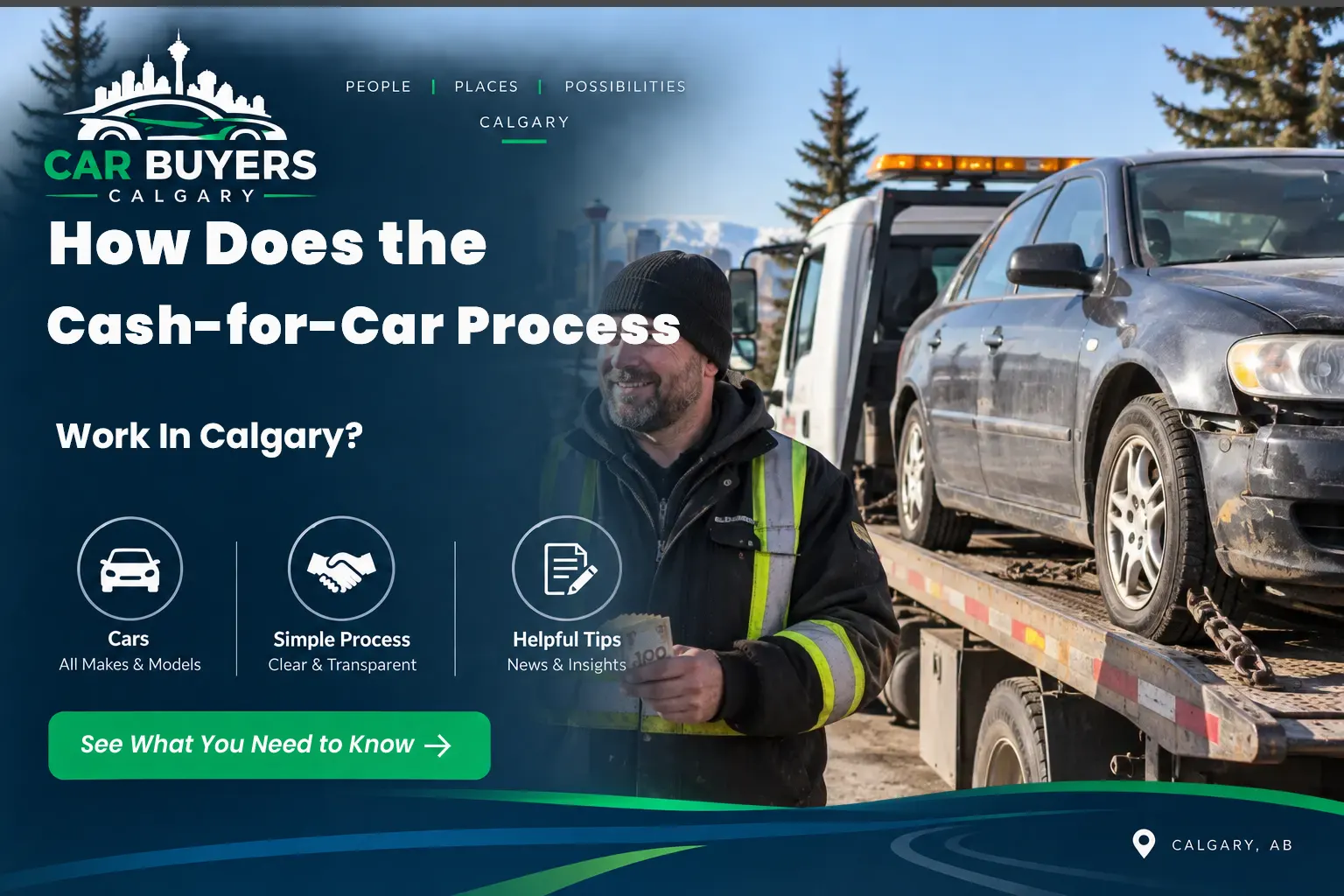
Once the transaction is complete, the vehicle still needs to physically leave, whether that’s driven away or towed. Free towing is a common feature of this final car pickup stage, though it isn’t guaranteed by every buyer.
Is Towing Included?
Some buyers include pickup or towing as part of the transaction, effectively folding the cost into the offer itself, while others may handle this differently or treat it as a separate line item. This is worth confirming directly with your specific buyer rather than assuming it’s included everywhere, particularly if your vehicle is in a location that makes towing more involved than a straightforward driveway pickup.
What If the Car Has No Keys or Can't Be Driven?
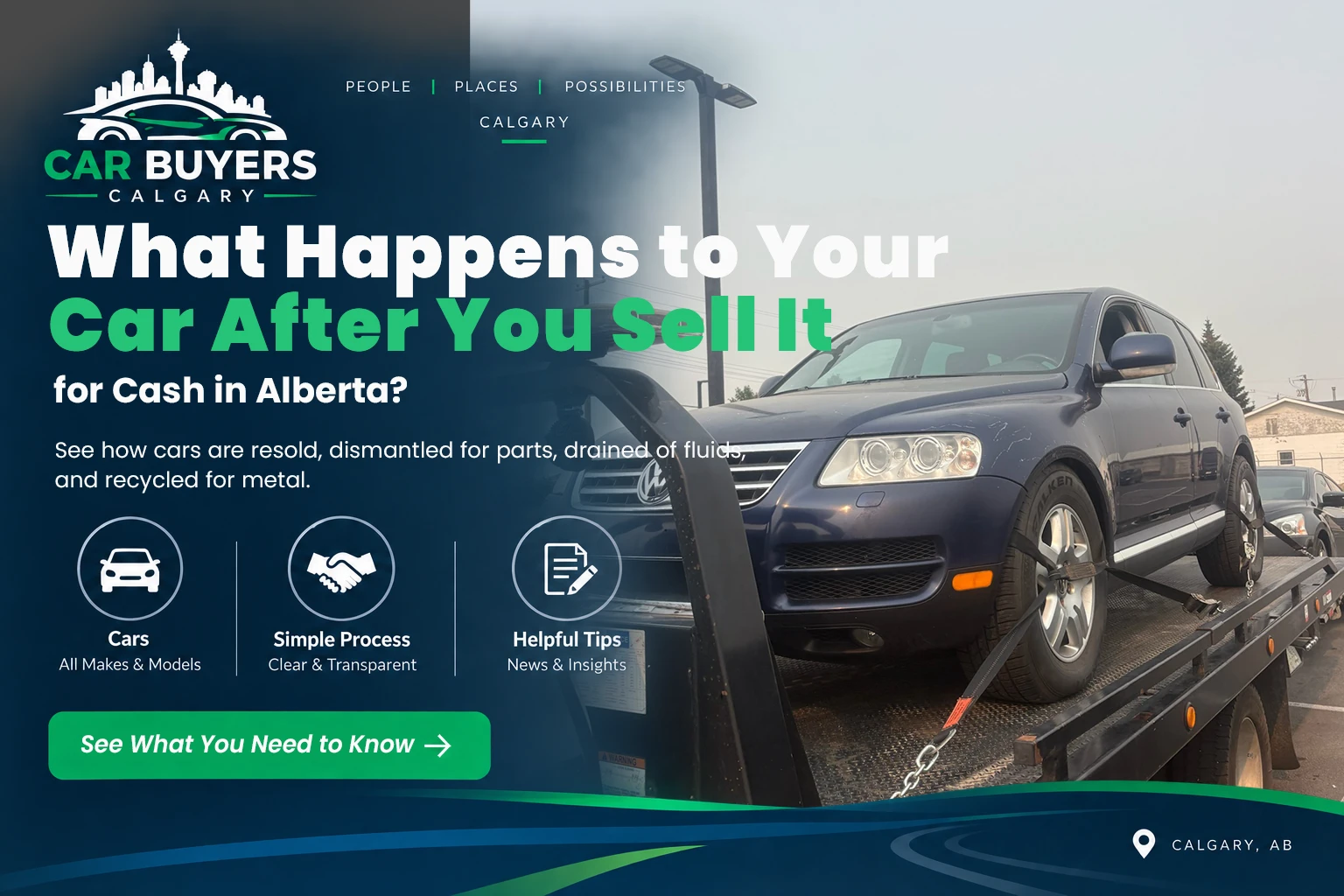
Collection logistics shift accordingly, typically involving a tow truck and specialized loading equipment rather than a straightforward driven pickup. Missing keys don’t usually stop a sale outright, but it’s worth flagging early since it changes what the buyer needs to bring. What happens to your car after you sell it for cash from that point on, whether it’s resold, dismantled, or recycled, depends on its own condition and the buyer’s downstream process.

What Should You Do Before the Vehicle Is Picked Up?
A few things worth handling on your end make pickup day faster and less stressful, regardless of which buyer you’re working with. None of them take long, but skipping them is how a straightforward handoff turns into a delay.
- Remove personal belongings from the cabin, trunk, and any storage compartments. It’s easy to forget items tucked into a glovebox or under a seat once the vehicle is gone.
- Gather relevant keys and vehicle documents so they’re ready to hand over rather than being searched for while the buyer waits.
- Confirm the pickup location and vehicle accessibility with the buyer ahead of time, especially if you’re in a spot with parking restrictions or limited access.
- Make sure the buyer knows about any major condition or access issues before they arrive, since surprises at pickup are the most common source of a revised offer.
- Review the agreed offer and transaction details one more time before the handoff, so both sides are working from the same expectations when the buyer shows up.
Can the Cash Offer Change at Pickup?
It depends on the buyer’s specific policy and whether the vehicle matches the information you originally provided.
A quote or offer typically gets reconsidered when there’s a material difference between what was described and what the buyer actually finds: undisclosed damage, missing components, a mechanical issue that wasn’t mentioned, or an ownership complication that wasn’t flagged upfront. Clarifying the conditions of your offer before pickup day, specifically whether it’s firm or subject to an on-site check, removes most of the uncertainty here.
How Does the Process Work for Damaged or Non-Running Cars?
The same broad process applies, but condition changes what happens at the pickup stage specifically.
Can a Cash Buyer Pick Up a Car That Doesn't Run?
Generally, yes. Selling a broken-down or non-running car for cash usually means towing rather than driving the vehicle away, and the process can vary by buyer depending on their equipment and how they typically handle non-drivable vehicles. This isn’t a special exception to the process so much as a different loading method within the same basic sequence.
Does Vehicle Damage Affect the Pickup Process?
It can, and selling a damaged car in Calgary specifically can affect loading, access, and potentially the offer itself, depending on the extent of the damage involved. A vehicle that can’t roll on its own wheels, for instance, needs different equipment than one that’s simply dented but still drives normally, which is worth mentioning to the buyer well before pickup day.
What If the Car Has a Loan or Lien?
A registered lien or an outstanding loan adds a coordination step, but it doesn’t stop the process outright.
Does a Loan Prevent You From Selling the Car?
No, though the lender’s interest needs to be properly addressed as part of the transaction, which is the core challenge behind selling a car with a lien or loan in Alberta. Most buyers, cash buyers included, expect to handle this as a normal part of the sale rather than treating it as a dealbreaker, provided the outstanding amount is disclosed upfront rather than discovered midway through the transaction.
What Information May Be Needed From the Lender?
Generally a current payoff amount and the lender’s process for releasing its interest, both of which are worth confirming directly with your lender before you get too far into the sale. A payoff figure can differ from your regular monthly statement balance, since it reflects the exact amount owed as of a specific date rather than a rounded balance, so getting a fresh number matters more than reusing an old one.
How Does Car Buyers Calgary's Cash-for-Car Process Work?
Car Buyers Calgary follows the same general process described above and considers vehicles in a wide range of conditions, including running and non-running, damaged, and vehicles with registration or financing complications. Free pickup and towing are included regardless of condition, with same-day pickup available in many cases and payment handled at pickup alongside the paperwork.
To request a quote, call +1 587-330-3703 or email [email protected] with your vehicle’s year, make, model, and current condition.
Get a Cash Offer for Your Car
Car Buyers Calgary buys vehicles in a wide range of conditions across Calgary, with free pickup and towing regardless of condition, same-day pickup available in most areas, and cash paid at pickup. To get a quote, call (587) 330-3703 or email [email protected] with the year, make, model, and a short description of the vehicle’s condition.
Final Thoughts
The cash-for-car process is more predictable than it feels the first time you go through it: share your vehicle’s details, get an offer, accept it, schedule a pickup, complete the paperwork and get paid at handoff, and have the vehicle towed or driven away. The exact details shift from buyer to buyer, but that basic shape holds across most of the market.
Knowing what to expect at each stage, and asking upfront about anything that isn’t clear, like whether your quote is firm, what payment method to expect, or whether towing is included, is what turns an unfamiliar process into a straightforward transaction. If you’re ready to see what your vehicle is worth, requesting a quote is a reasonable next step once you know what the process actually involves.
FAQs
It generally follows a consistent sequence: you provide vehicle details, receive an offer, accept it, schedule pickup, complete paperwork and get paid at handoff, and the vehicle is towed or collected afterward by the buyer. Exact details can vary meaningfully depending on which specific buyer you're working with, so it's worth confirming particulars before committing.
Your vehicle's year, make, model, mileage, and current condition, including any damage or mechanical issues you're aware of at the time. Having accurate, complete details ready upfront leads to a more reliable quote than a vague or incomplete description would give you from the start.
Buyers typically weigh the vehicle's age, mileage, model, overall condition, and any damage against current market demand for that specific type of vehicle. There's no fixed universal formula, since different buyers weigh these factors differently depending on their own specific business model and needs.
It varies by buyer and vehicle, but many transactions move from initial quote to pickup within just a few days once details are confirmed on both sides. Availability, scheduling, and your own timeline as the seller all factor into how quickly things actually move along.
The transaction shifts from quoting to arranging the actual handoff between you and the buyer. Pickup address, vehicle accessibility, keys, and any documents you'll need typically get confirmed at this stage before a specific pickup time gets scheduled with the buyer directly.
Often, yes, though access matters quite a bit to how smoothly this goes. Underground parking, narrow spaces, or street parking restrictions can all affect how pickup actually works, so it's worth mentioning any access issues to the buyer well ahead of the scheduled time.
Often at least a basic check to confirm the vehicle matches its original description before the transaction is finalized. Some buyers do a quick visual review on arrival, while others look more closely at the vehicle before finalizing payment with you.
It can, depending on the buyer's own policy and whether the vehicle actually matches what was originally described to them over the phone or online. Undisclosed damage or a missing component are common reasons an offer might get reconsidered on arrival at pickup.
Commonly at pickup, though exact timing depends on the specific buyer you happen to be working with for that transaction. Confirming this detail in advance, rather than simply assuming, avoids any confusion once the vehicle is actually being handed over to them.
It depends entirely on the buyer you choose to work with for the sale. Some include pickup and towing as part of the overall transaction price, while others handle it differently, so this is worth confirming directly before you commit to a specific buyer.
At minimum, a signed bill of sale documenting the transaction between you and the buyer, plus whatever Alberta documents, plates, and paperwork your specific situation calls for, including registration cancellation and licence plate handling once the sale is fully complete.
Yes. The general process still applies in these situations, though damage or non-running status can affect pickup logistics and, in some cases, the offer itself once the buyer actually sees the vehicle's real condition in person at the pickup itself.
Yes, though the lender's interest needs to be properly addressed as part of the sale itself, since selling a car with a lien or loan in Alberta involves payoff amounts and registry searches that a fully paid-off vehicle doesn't require.
References
- Government of Alberta. Standard bill of sale. alberta.ca: https://www.alberta.ca/standard-bill-sale
- Government of Alberta. Cancel a vehicle registration. alberta.ca: https://www.alberta.ca/cancel-vehicle-registration
- Government of Alberta. Buying a vehicle from a private seller. alberta.ca: https://www.alberta.ca/buying-vehicle-private-seller